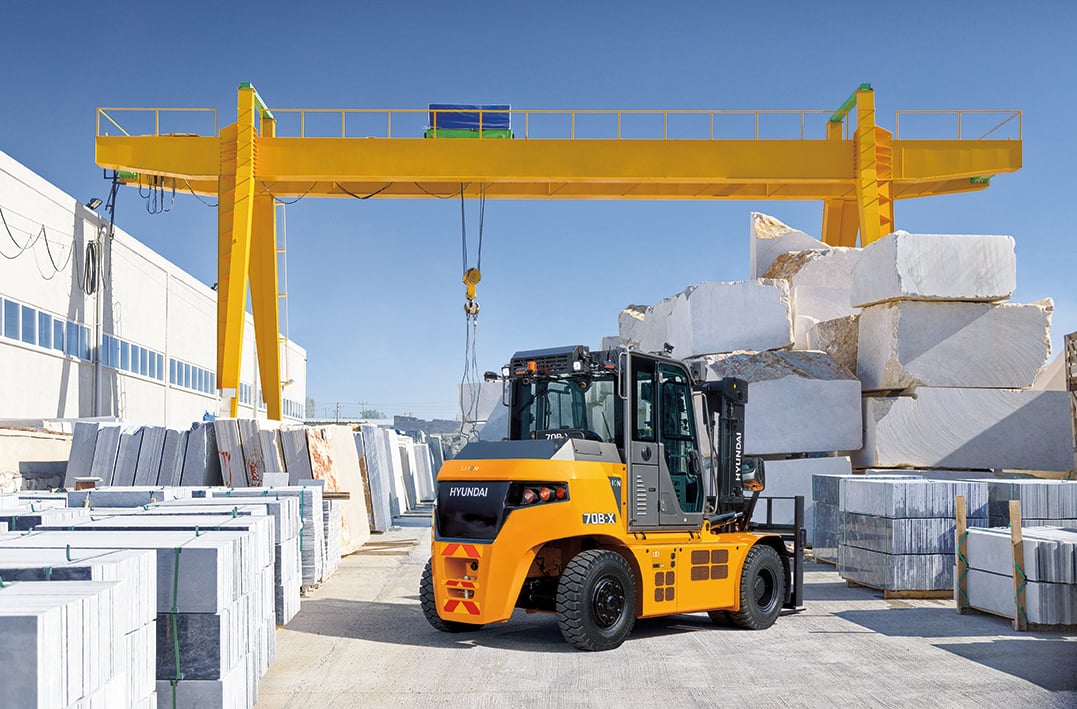
How to Choose the Right Forklift for your Project

Choosing the right forklift is a critical decision for any material handling operation. The right forklift truck improves productivity, safety, and cost control. The wrong choice leads to inefficiency, higher maintenance, and operational risk. This guide explains the key factors to consider when selecting a forklift for your specific application.

Start with your Working Environment

The first decision is where the forklift will operate. Indoor and outdoor environments place very different demands on material handling equipment.

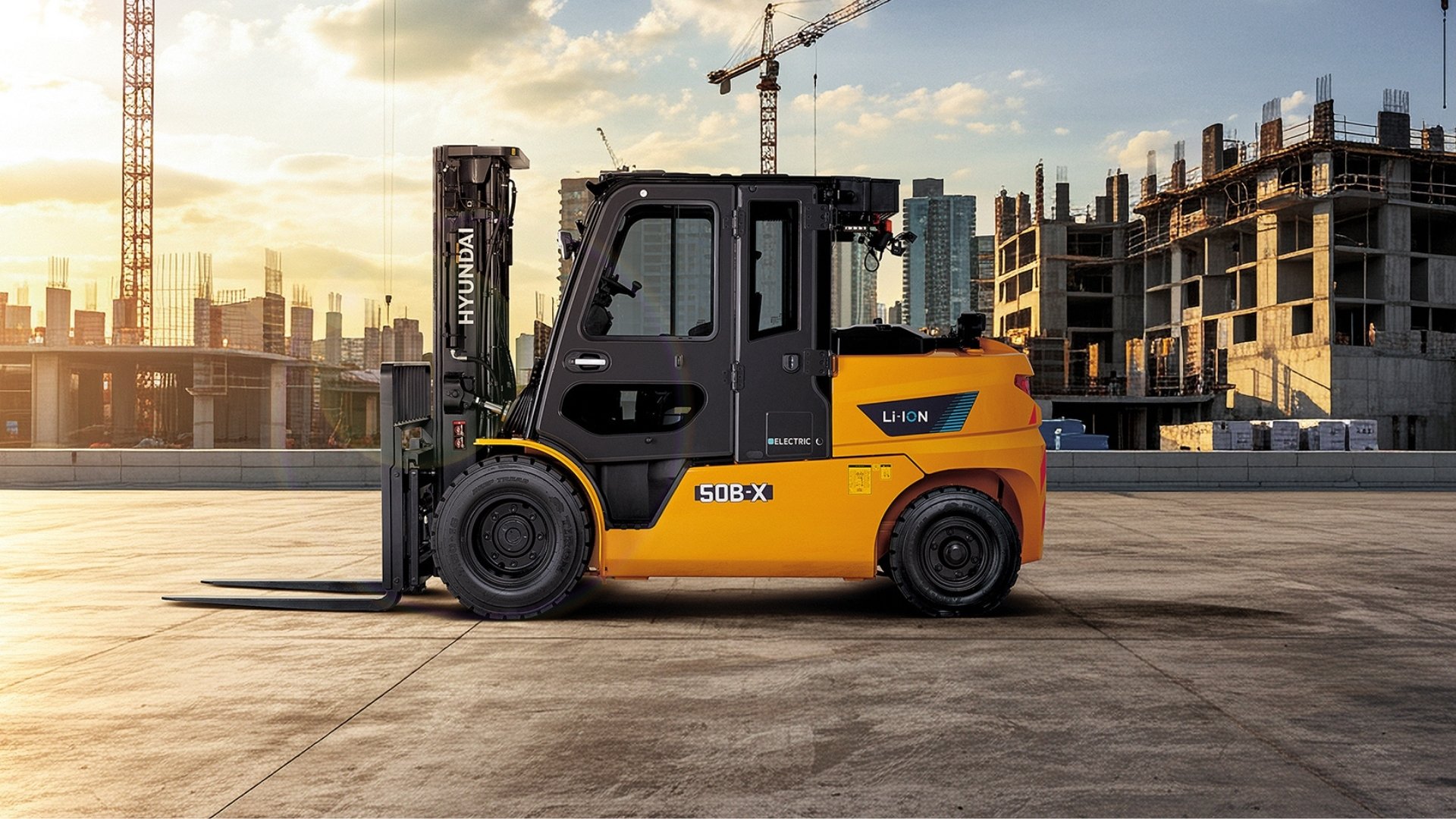
Traditionally, the use of electric forklift trucks was mainly limited to indoor applications. They produce no exhaust emissions and operate with low noise, which makes them suitable for warehouses, food handling, and enclosed spaces. However, recent developments have changed this significantly. Thanks to advancements in battery technology, high voltage systems, and overall design, today’s electric models deliver performance that matches, and in some cases exceeds, comparable diesel forklifts, even outdoors and in demanding applications. At the same time, operator comfort has improved considerably.
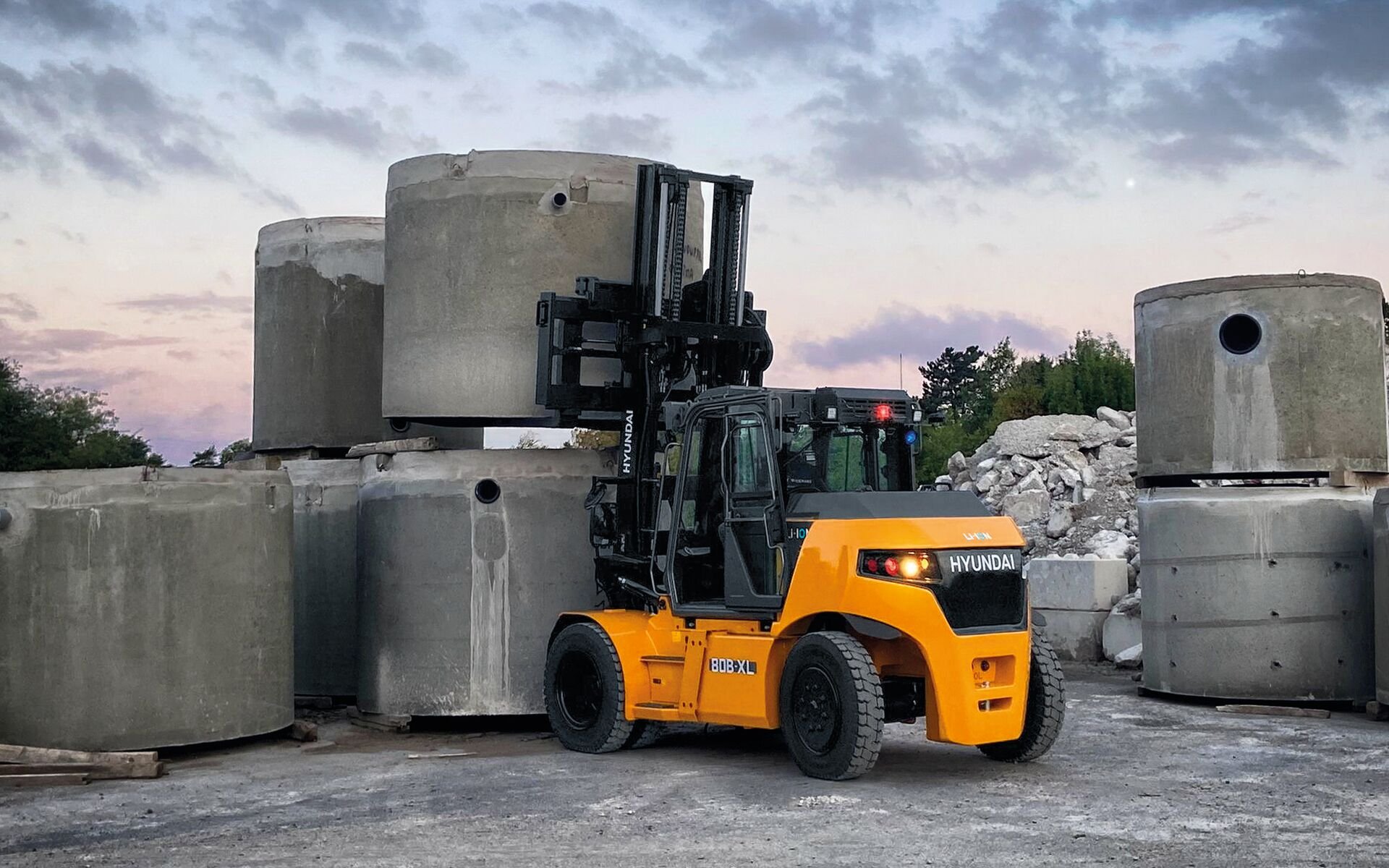
Hyundai-808-XL_Construction_High Res CMYK 2
  • Electric forklifts offer smoother acceleration, reduced vibration levels, and significantly lower noise, which helps reduce operator fatigue during long shifts.

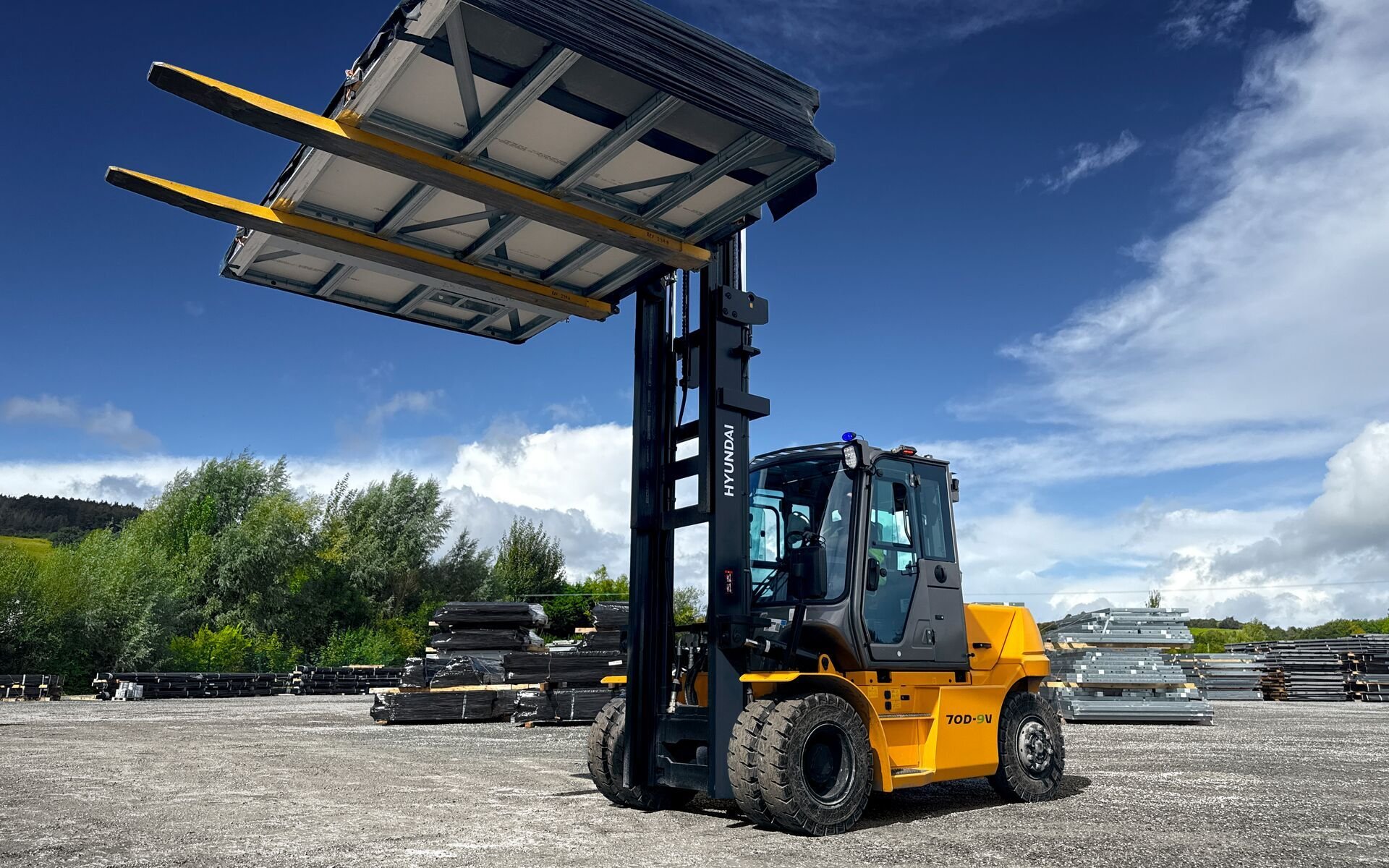
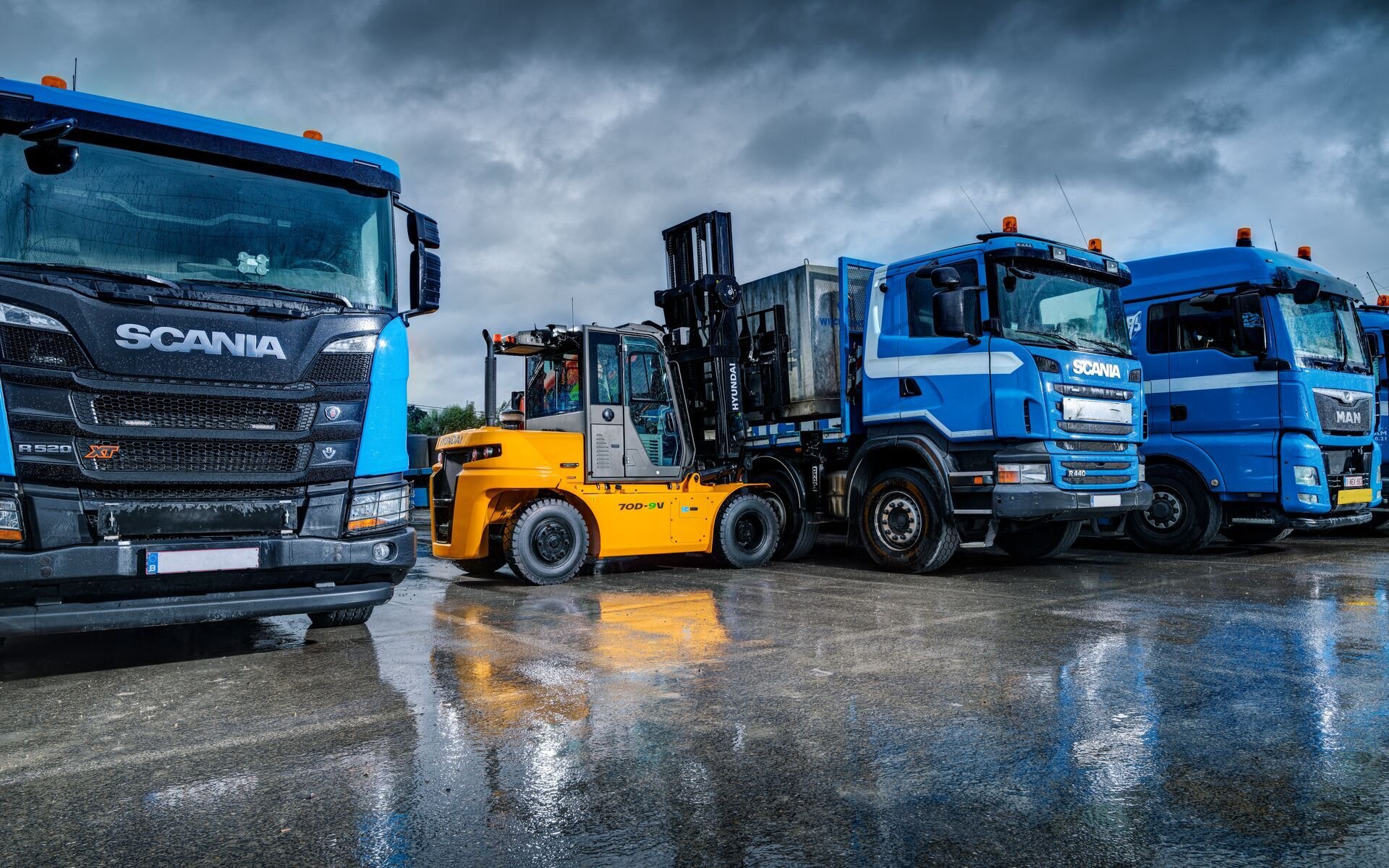
  • Diesel forklifts are better suited for outdoor use. They deliver high torque and perform reliably in rough terrain and demanding weather conditions.

  • LPG forklifts offer flexibility when your operation requires both indoor and outdoor use. They provide lower emissions than diesel and allow fast refueling for continuous work.

Matching the power type to your environment is often the most important step when you buy a forklift.

Hyundai-A-70D-9V-RGB-2

Define Load, Lift Height, and Space

A forklift must be specified based on the real loads it will handle, not theoretical capacity. Always consider both load weight and load centre. A heavier or longer load reduces effective lifting capacity.

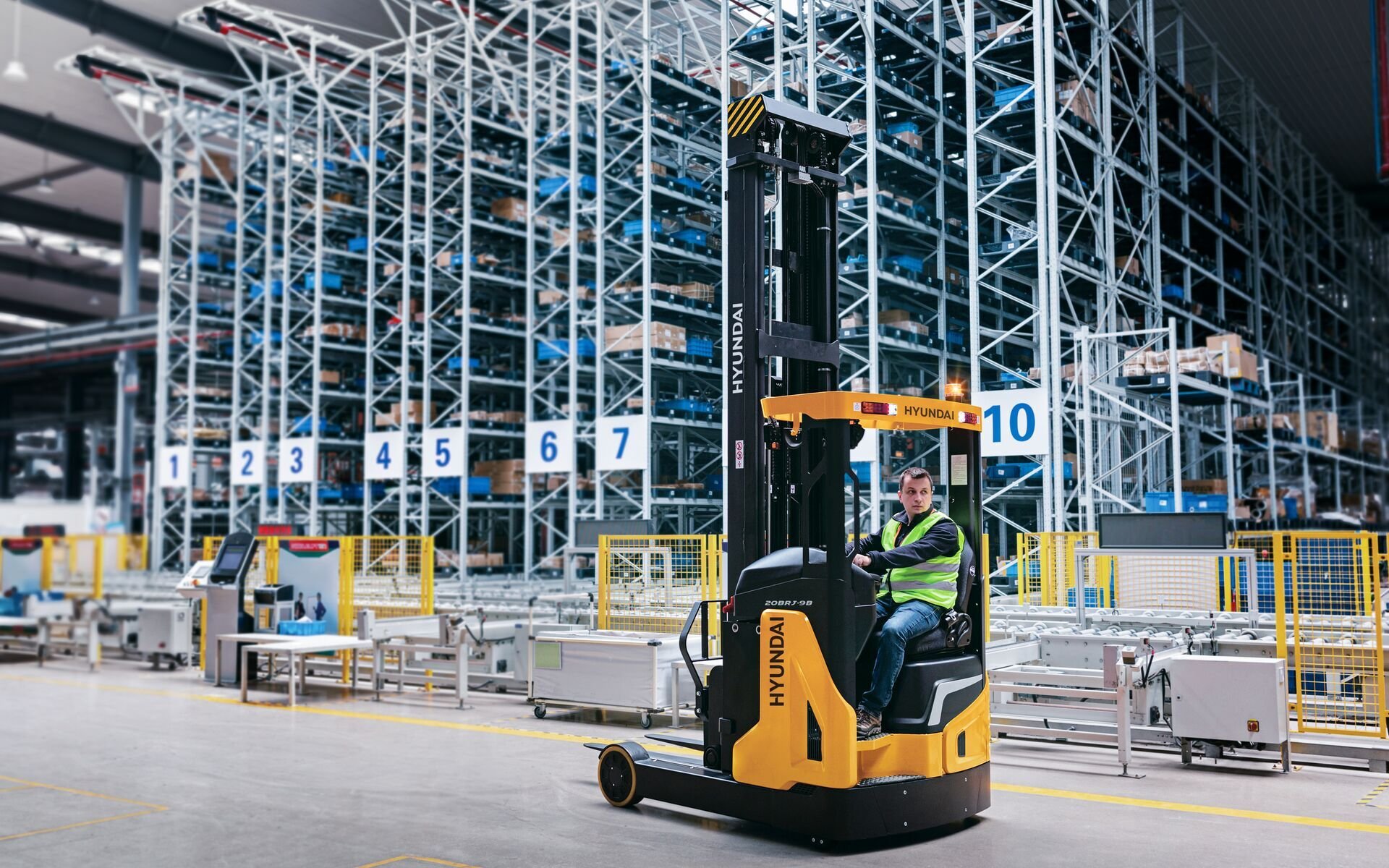
Lift height is equally critical. Standard counterbalance forklifts work well for loading and general transport, while reach trucks are designed for high racking and vertical storage in narrow aisles.

Hyundai-70D-9V_Low res

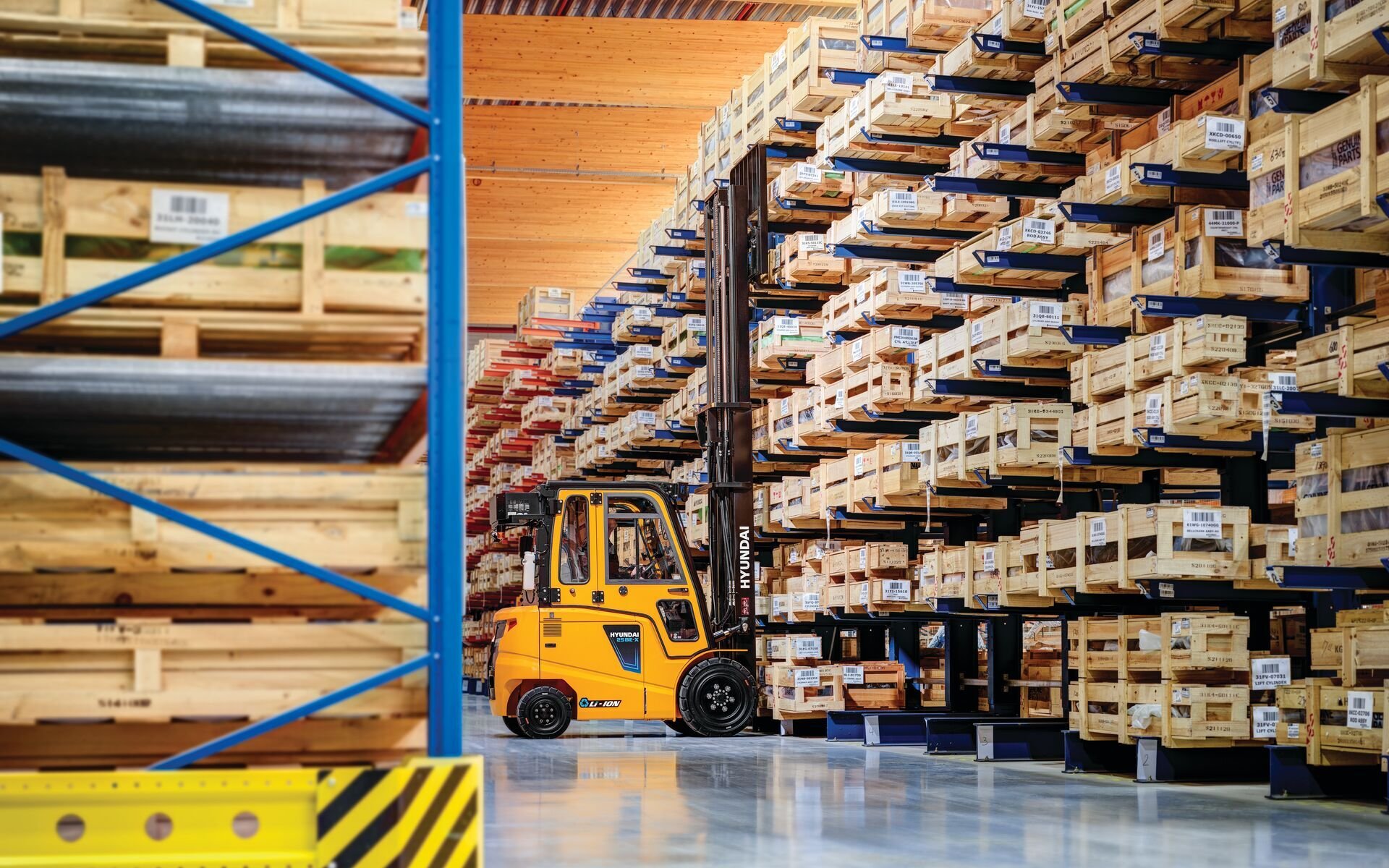
Aisle width and turning space determine which forklift types you can use. In compact warehouses, electric reach trucks and order pickers provide efficient operation in narrow aisle layouts. Counterbalance forklifts need more turning space but offer versatility across many tasks.

Selecting the correct warehouse forklift is about balancing capacity, height, and available space.

Hyundai-A-25BE-X-CMYK-4

Choose the Right Forklift Type for the Job

There is no single forklift that fits all applications. Different types of forklifts are engineered for specific tasks.

  • Counterbalance forklifts are the most versatile option and are widely used for loading, unloading, and general transport.

  • Reach trucks are designed for pallet handling in narrow aisles and for accessing high storage levels efficiently.

  • Order pickers allow operators to lift with the load to pick items directly from racks, which is essential in distribution and fulfilment operations.

  • Pallet trucks are ideal for short horizontal moves and low lift applications, especially in busy warehouse environments.

Selecting the correct combination of warehouse equipment plays a key role in optimising your material handling processes and overall operational efficiency.

Hyundai-20BRJ-9B-RGB-Low Res - 1

Consider Ground Conditions and Tyres

Ground conditions directly affect stability, safety, and productivity. Smooth indoor floors require different tyres compared to outdoor yards.

  • Cushion tyres are best suited for indoor use on smooth surfaces and offer tight turning capability.

  • Pneumatic tyres provide better grip and shock absorption on uneven ground, making them suitable for outdoor applications such as gravel or construction sites.

Choosing the wrong tyre type can reduce performance, increase wear, and affect operator comfort.

Axle

Look Beyond Purchase Price

Buying a forklift should never be based on price alone. The total cost of ownership includes energy or fuel, maintenance, downtime, and residual value over the life of the truck.

  • Electric forklifts often have higher initial investment but lower operating and maintenance costs due to fewer moving parts.

  • Diesel and LPG forklifts may offer lower upfront cost or greater flexibility but typically involve higher fuel and service costs over time.

Shift pattern and usage intensity also matter. High utilisation operations may require battery management for electric fleets or fast refueling solutions for internal combustion models.

Operator comfort and safety features should be part of the evaluation as well. Better visibility, ergonomics, and intuitive controls improve productivity and reduce fatigue during long shifts.

70B-X_Construction materials_Low Res

Conclusion

Selecting the right forklift means understanding your operation in detail. Environment, load requirements, space, and usage patterns all play a role. A well matched forklift truck supports efficiency and safety while reducing long term costs. Taking the time to specify the right material handling equipment will deliver measurable benefits across your entire operation.

Hyundai-Pictures - Dealer Event 2025 - Low Res

Find a Dealer or Ask a Quote

Tell us what you need and we'll connect you with the right solution.

Frequently asked Questions

What is the best forklift for indoor warehouse use

 An electric forklift is typically the best choice for indoor environments due to zero emissions, low noise, and efficient operation. 

When should I choose a diesel forklift

 Diesel forklifts are best for outdoor use, heavy loads, and rough terrain where high power and durability are required. 

What is the difference between a reach truck and a counterbalance forklift

 A reach truck is designed for narrow aisles and high racking, while a counterbalance forklift is more versatile for general load handling and transport. 

How do I determine the right lifting capacity

 You should consider both the load weight and load centre, as longer or unbalanced loads reduce effective capacity. 

Why is total cost of ownership important

It reflects the full cost of operating a forklift over time, including energy, maintenance, and downtime, not just the purchase price.